
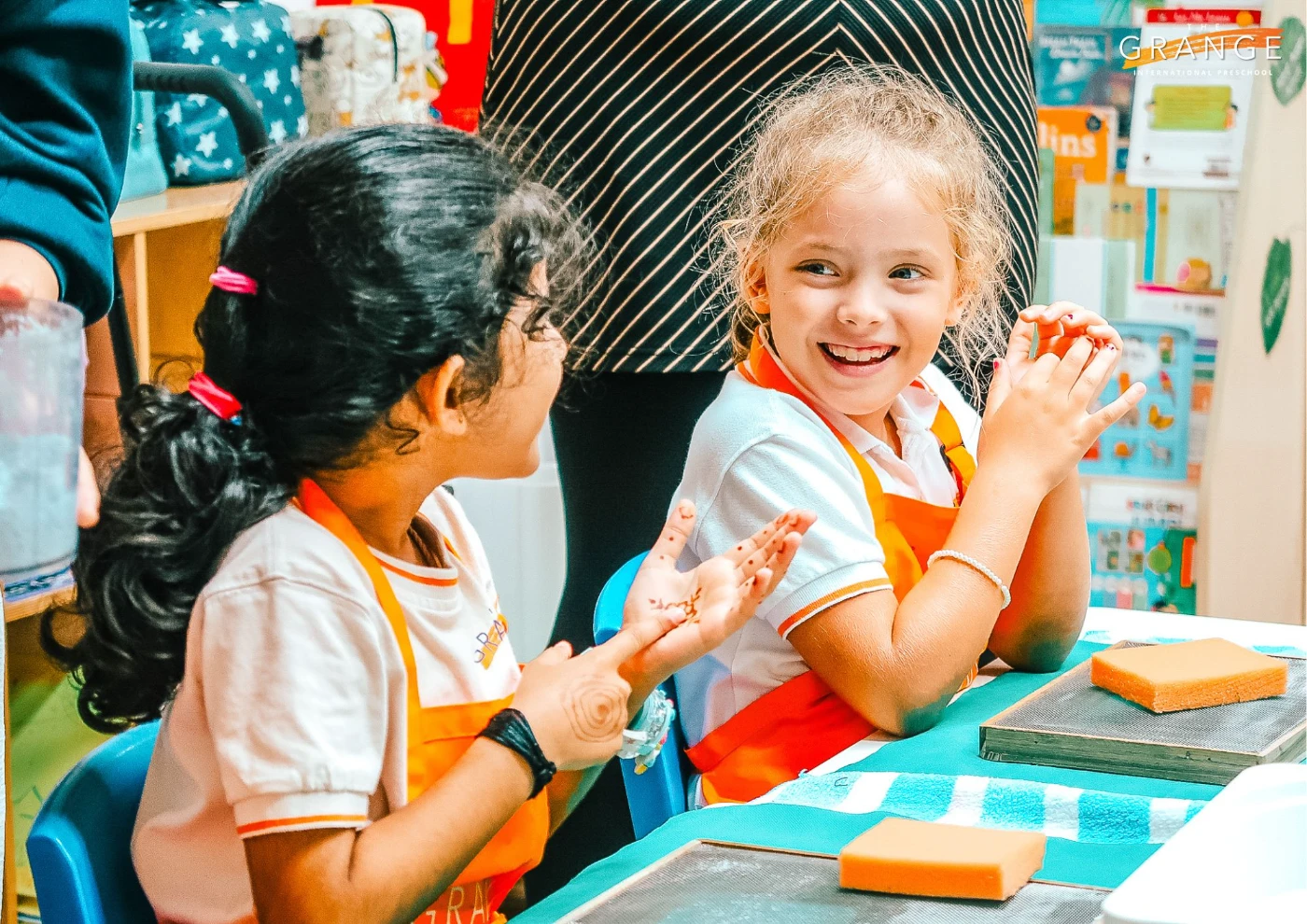
This is a think piece authored by Ms. Kwan Yin San, Head of The Grange International Preschool.
Play Is the First Language Children Learn
Some parents may remember the magic of watching a child run across a playground and return, hand in hand with a new friend. No awkward introductions. No questions about favourite colours or where they live. Just the pure, unspoken language of friendship.
That is the power of play, and it works better than any icebreaker you can find.
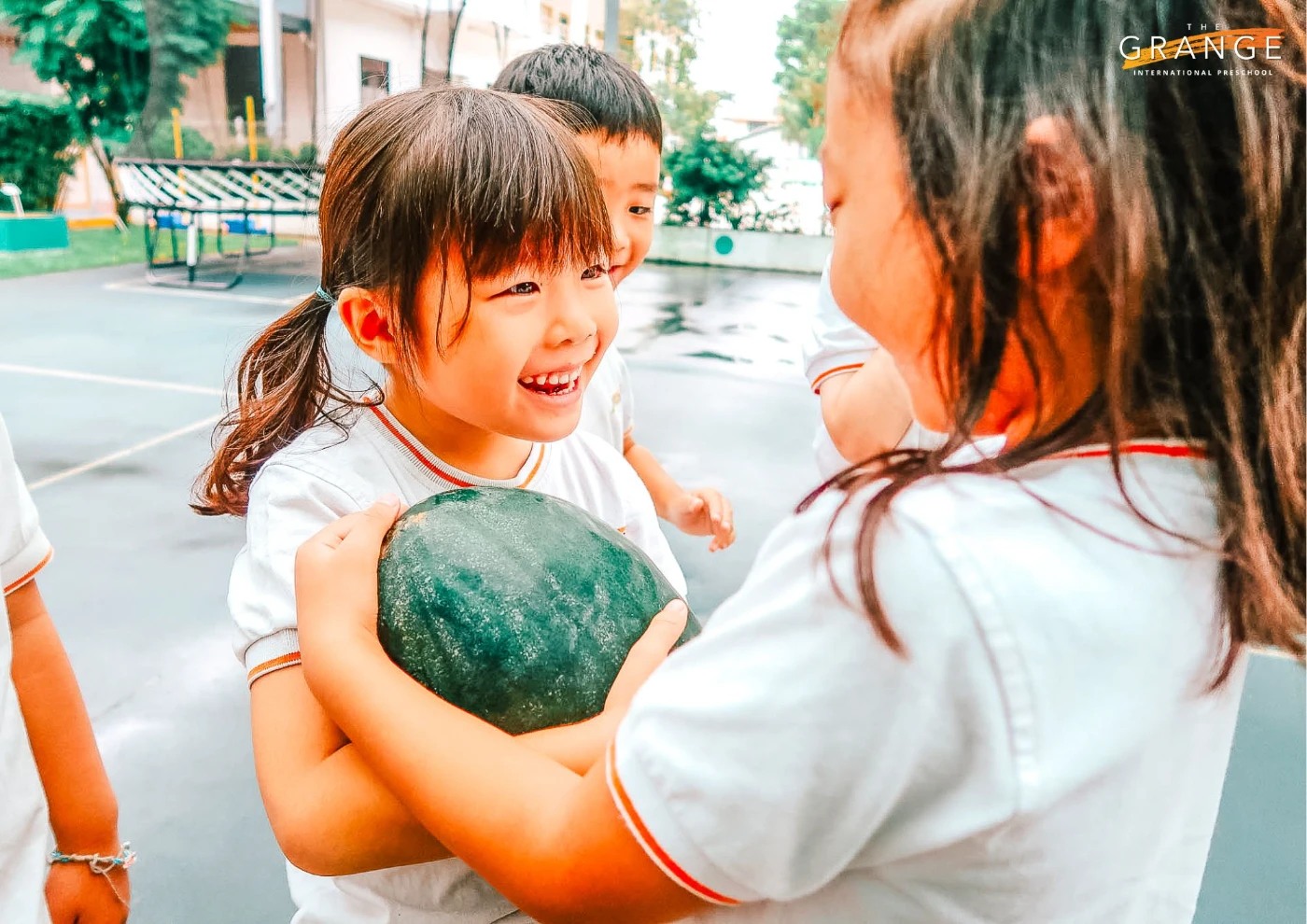
Play is the first language children learn. Friendships form naturally, and connection comes before conversation.
Where Play Speaks Louder Than Words
Children build connections through shared experiences, not shared vocabulary. When children work together to stack blocks, they do not need to speak the same language. They only need a common goal; keeping the tower from falling.
They point. They adjust. They laugh. They celebrate.
A smile can signal a new idea. A jump of excitement can mean success. The same language of play emerges when children are in a game of tag, share snacks, or collaborate outdoors. These everyday moments extend play beyond a traditional classroom and into their own imaginative space, where ideas are explored freely and meaningfully.
Yet sometimes, friendship can be over-engineered.
Structured group tasks and forced “get to know you” activities can unintentionally strip away what works best. The strongest connections often form when children are simply given space to play, explore, and create together.
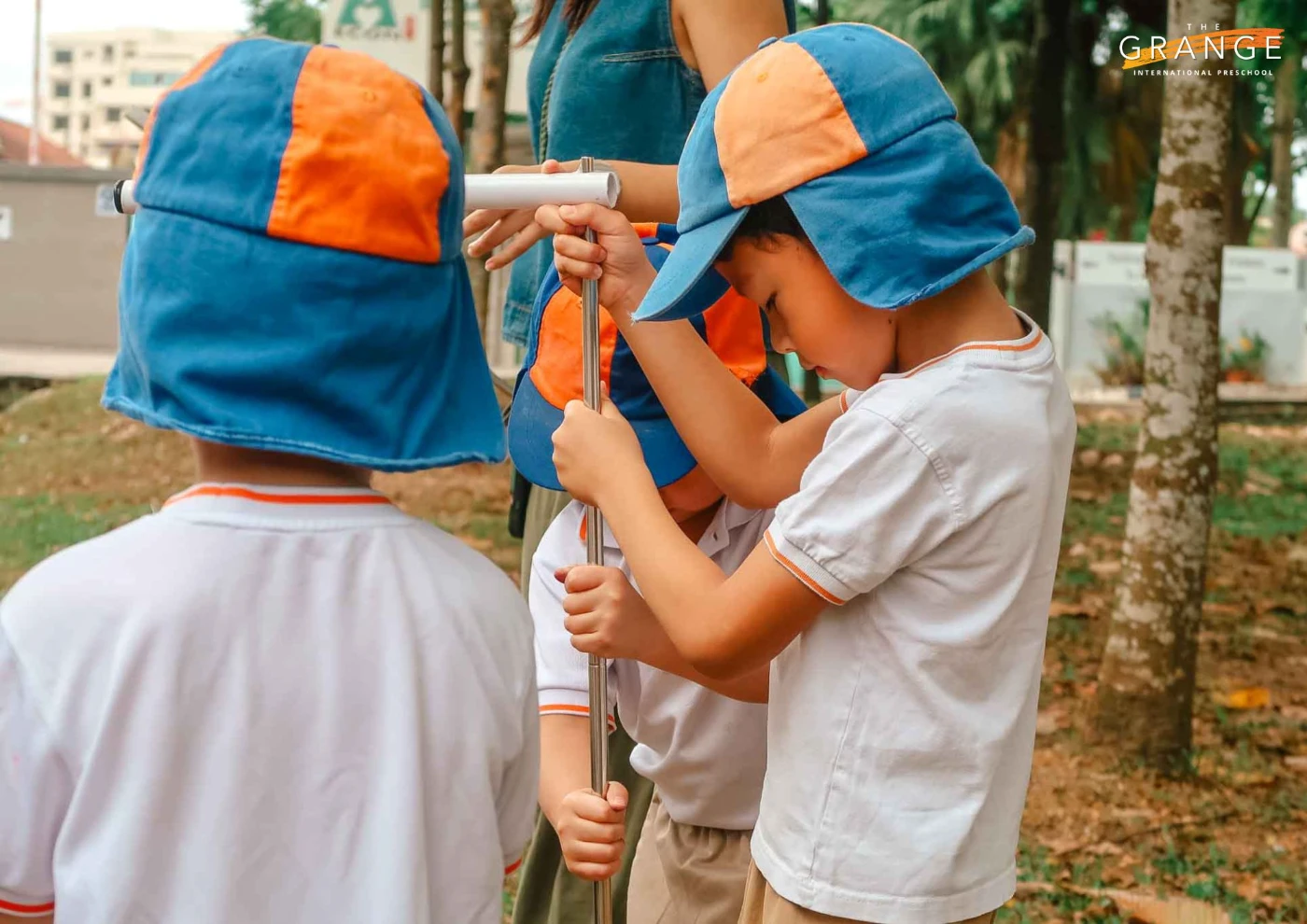
Students from TGIP working together to anchor a stand for their outdoor signage project.
How Play Builds Powerful Connections
At The Grange Institution Preschool (TGIP), learning is designed around play-based experiences supported by the International Early Years Curriculum. Children are encouraged to learn through discovery. A teacher might place a battery, string of lights, and some materials on a table.
Without instructions, one open-ended question is posed:
What can you build with these?
Immediately, curiosity takes over. One child starts to doodle designs. Another tests the strength of the materials. A third starts playing to build circuits.
There is no waiting for permission. There is no “correct” answer.
Children debate. They test ideas. They fail. They try again. This process of play brings children into a child‑paced learning space, where every idea is valued, every thought is captured, and every moment is appreciated.
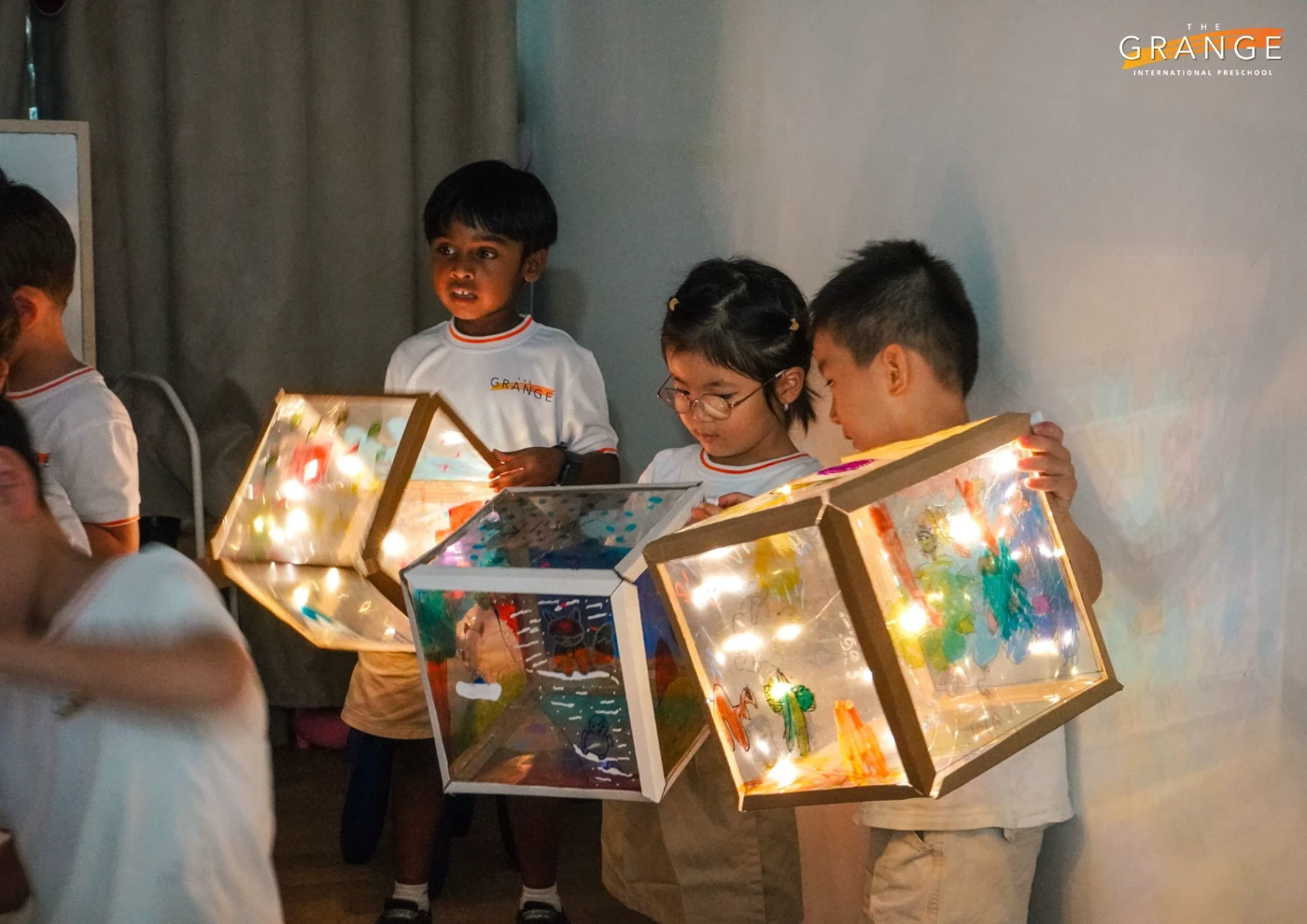
Learning through trial and error, students tested different ways to make their lightboxes work.
Learning to Navigate Different Perspectives
In this seemingly random process, something important happens. Children learn to see different perspectives. One child might explain an idea. Another has to learn how to listen. Leadership emerges naturally. Not through titles or roles, but through moments like, “What if we try it this way?”.
Collaborative projects also shift how children see success. A structure that collapses teaches more about engineering than a perfect model built by an adult. Failed experiments spark curiosity. Mistakes become part of the journey, not something to fear.
Children begin to trust each other. They learn that progress happens together.
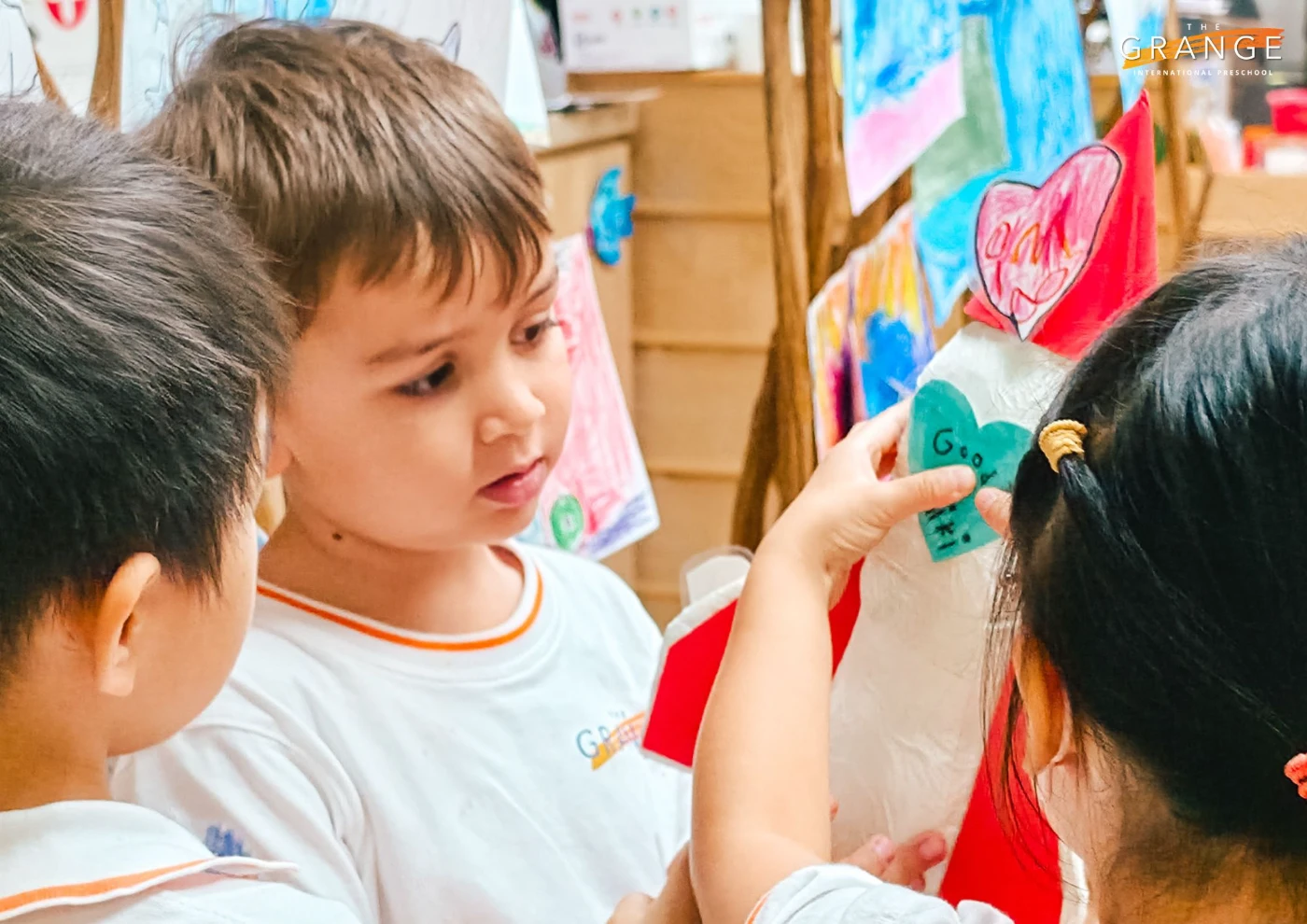
Supporting one another and sharing ideas, students work together as learning takes shape through teamwork.
When Play Extends Beyond the Classroom
This spirit of play does not stop at school.
In one recent project, students from TGIP teamed up with their parents at home to engineer their own cars using recycled materials. Cardboard boxes became car frames. Bottle caps turned into wheels.
Back at school, students took centre stage for a show-and-tell session, confidently explaining their designs, choices, and problem-solving process. The project ended with a joyful “Sticker Fest,” where students cheered each other on, celebrating effort, creativity, and teamwork rather than perfection.
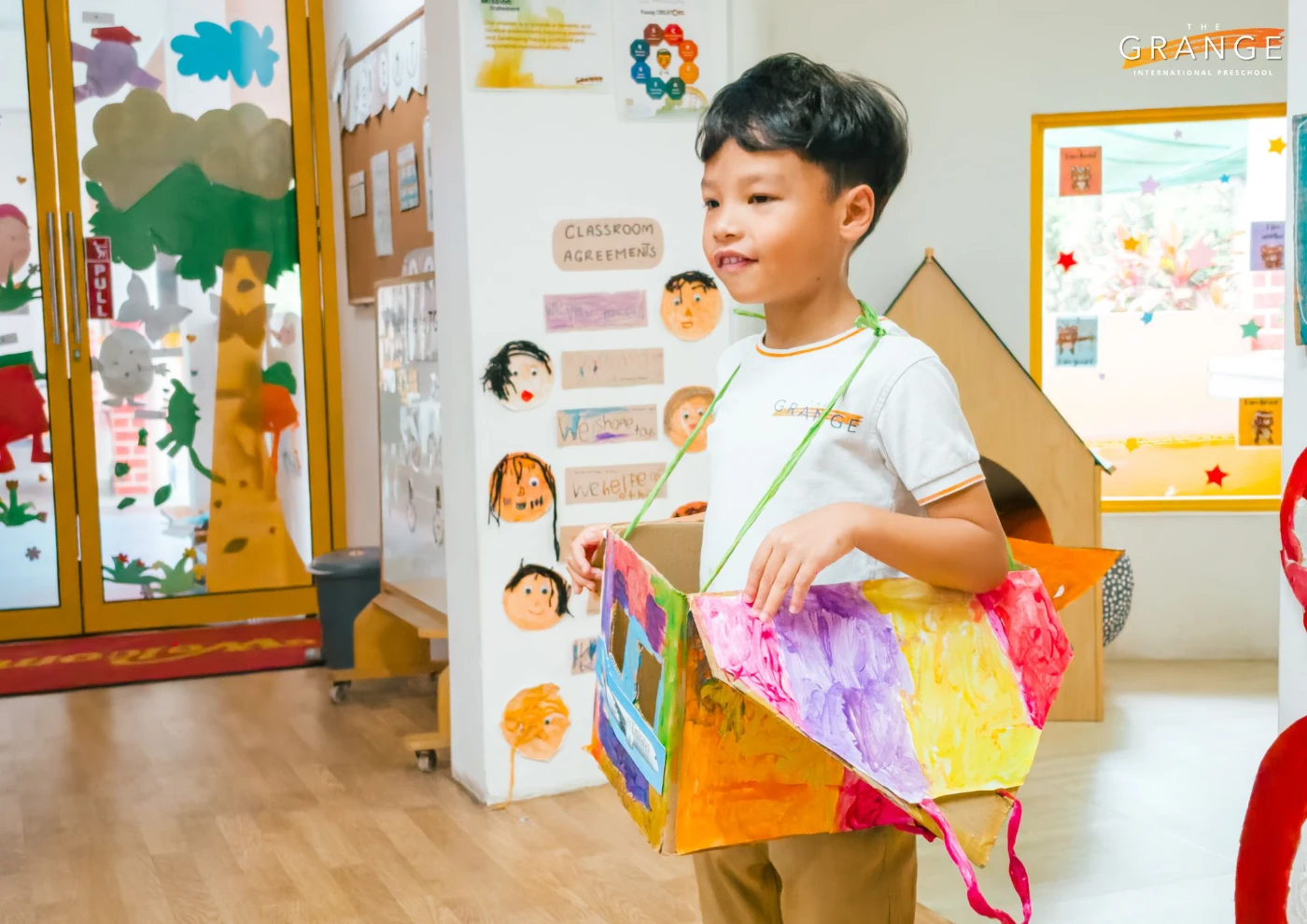
Student presenting his thinking behind the design to classmates, building communication skills and self‑belief through show and tell.
Moments like these directly build our Learner Profile attributes of Confident Communicator and Star Team Player. Children learn how to express ideas clearly, listen respectfully, and encourage one another. These are skills that matter far beyond the classroom.
Breaking Social Barriers Through Play and Purpose
Play-based, inquiry-driven learning naturally breaks down social barriers. A quieter child may lead through careful observation and balance. A more energetic child may take charge during construction or testing.
Each child finds a role.
Each child feels seen.
Because the truth is simple: Play is the oldest language in the world, and every child speaks it fluently.
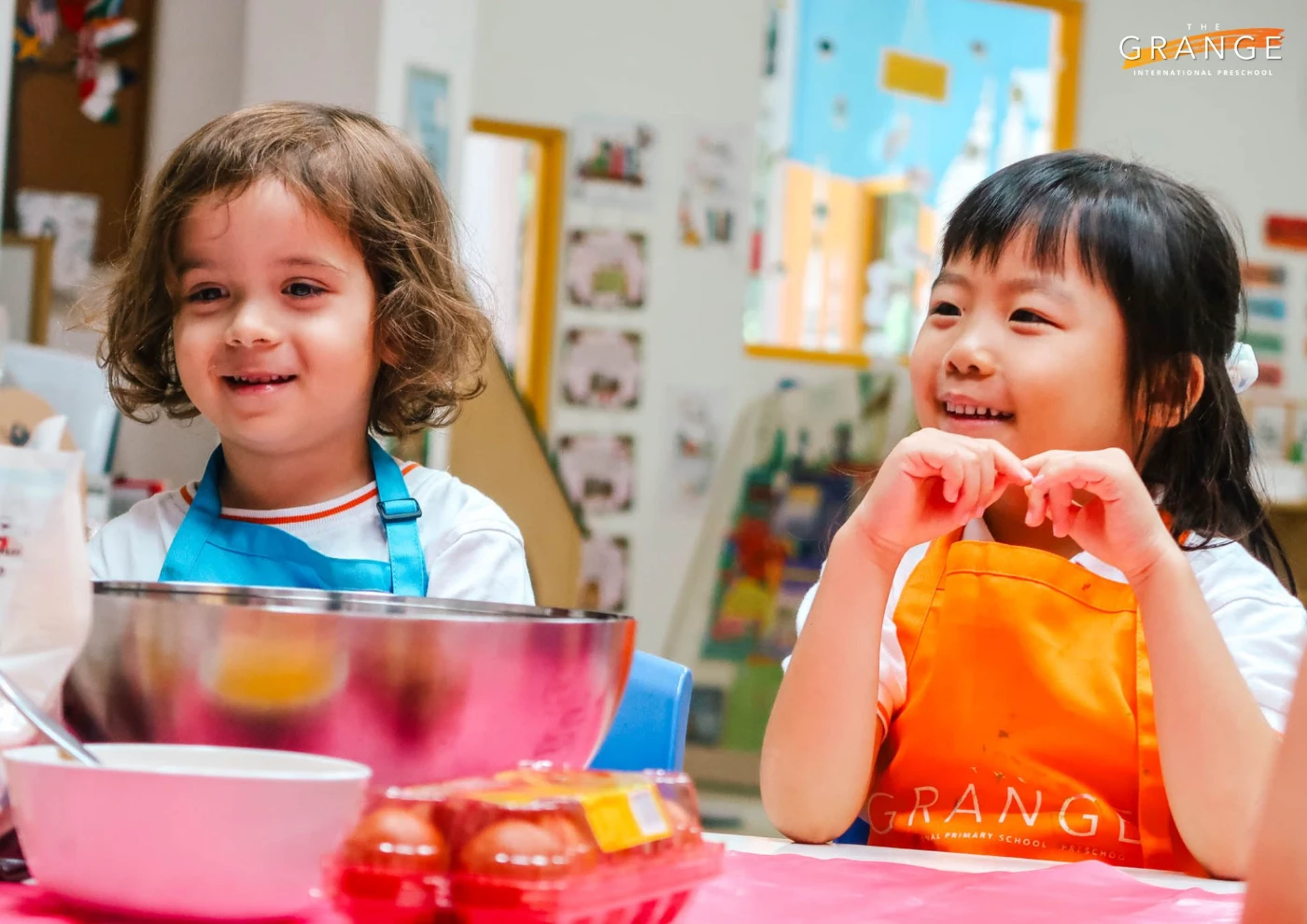
Play‑based, inquiry‑driven learning creates shared experiences that naturally break down social barriers
Come experience our inquiry approach at The Grange International Preschool, where children build friendships, confidence, and purpose through play.
Book a school tour and see how curious learners grow into Confident Communicators and Star Team Players.