
- The Grange International Preschool fosters a safe environment where mistakes are seen as essential learning opportunities.
- Children learn to view errors as valuable feedback, encouraging risk-taking and curiosity without pressure for perfection.
- Hands-on projects teach students problem-solving, collaboration, and resilience by turning setbacks into improved solutions.
- The school emphasises building lifelong confidence, resilience, and curiosity through reflection on mistakes and continuous effort.
We have all seen it. A child hesitates before answering a question, glances around the room, then quietly lowers their hand.
Often, it is not because they do not know the answer. It is because they are worried about getting it wrong.
At The Grange International Preschool (TGIP), we believe mistakes are an essential part of learning. That is why we create classrooms where children feel safe to ask questions, try new things and learn from every experience. In our “mistake-friendly” classrooms, every misstep becomes an opportunity to grow.
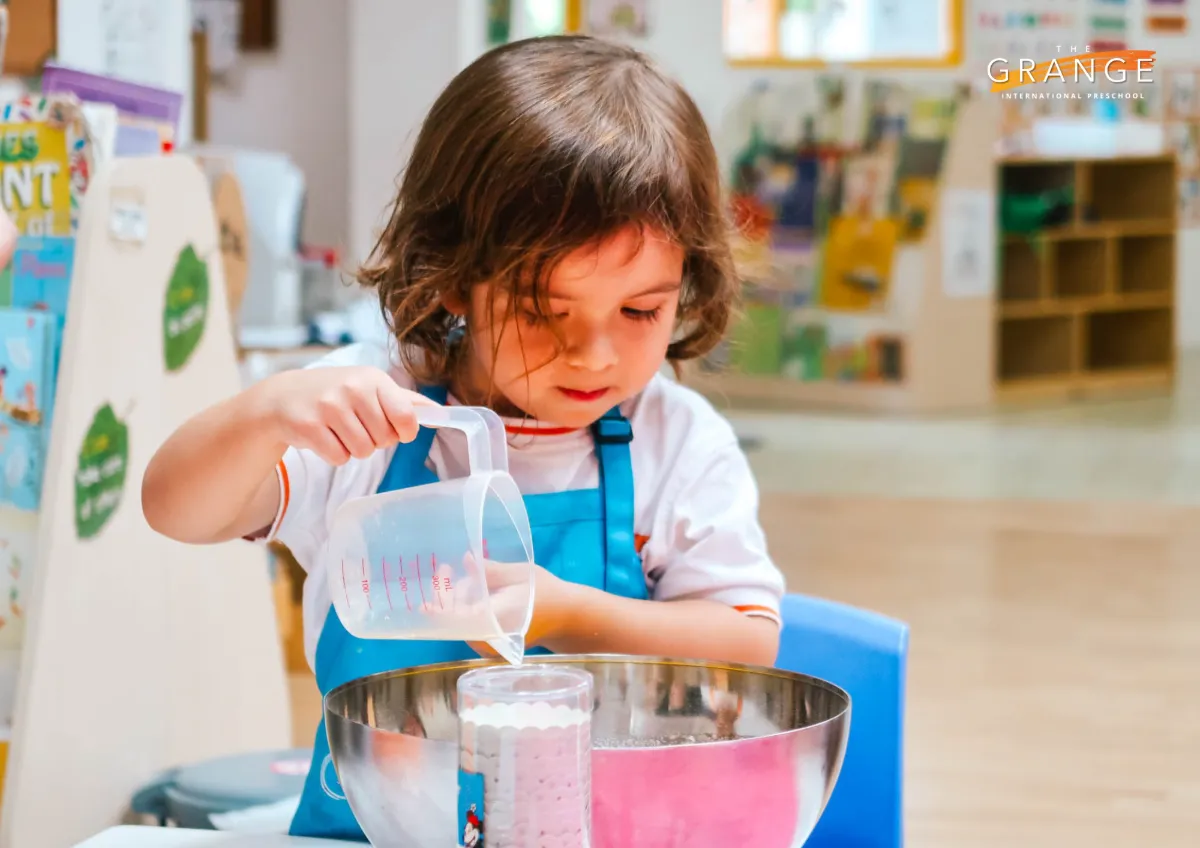
Young learners build confidence through hands-on exploration in a safe and supportive classroom
Taking the Pressure Off Being Perfect
Children naturally want to do well. But when they believe they must always have the right answer, they can become reluctant to take risks. Instead of exploring new ideas, they stick to what feels safe and familiar.
Our educators work intentionally to create an environment where mistakes are welcomed as part of the learning process. Rather than seeing a wrong answer as a failure, children learn to view it as valuable feedback that helps them improve.
As parents, it is worth asking ourselves: would we rather our children always play it safe, or develop the confidence to tackle new challenges, knowing they may not succeed the first time?
When children feel safe to make mistakes, they become more willing to explore, persevere, and discover the joy of learning.
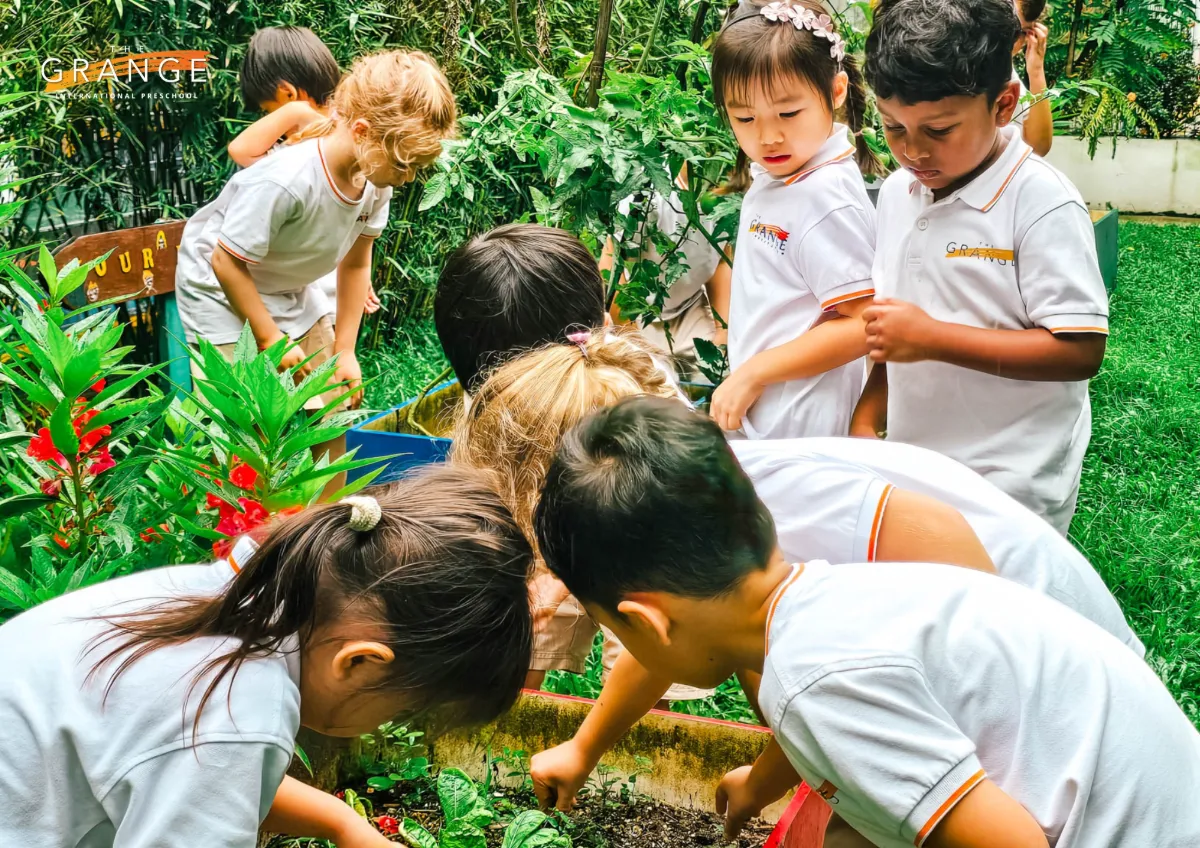
Collaborative outdoor learning encourages children to experiment, problem-solve and grow together.
When a Setback Became a Learning Opportunity
One of the best examples came from a project our preschoolers led earlier this year. After noticing more wild chickens around the forest near our school, they designed and installed “Chicken Crossing” signs along the driveway. They were proud of their work.
A few weeks later, heavy rain and strong winds knocked the signs over. Rather than seeing this as a failure, our children asked an important question:
“How can we make the signs better?”
With guidance from their teachers, they explored different solutions and collaborated with a member of the school’s communications team to redesign the signs. This time, they created durable metal signs that could withstand the weather.
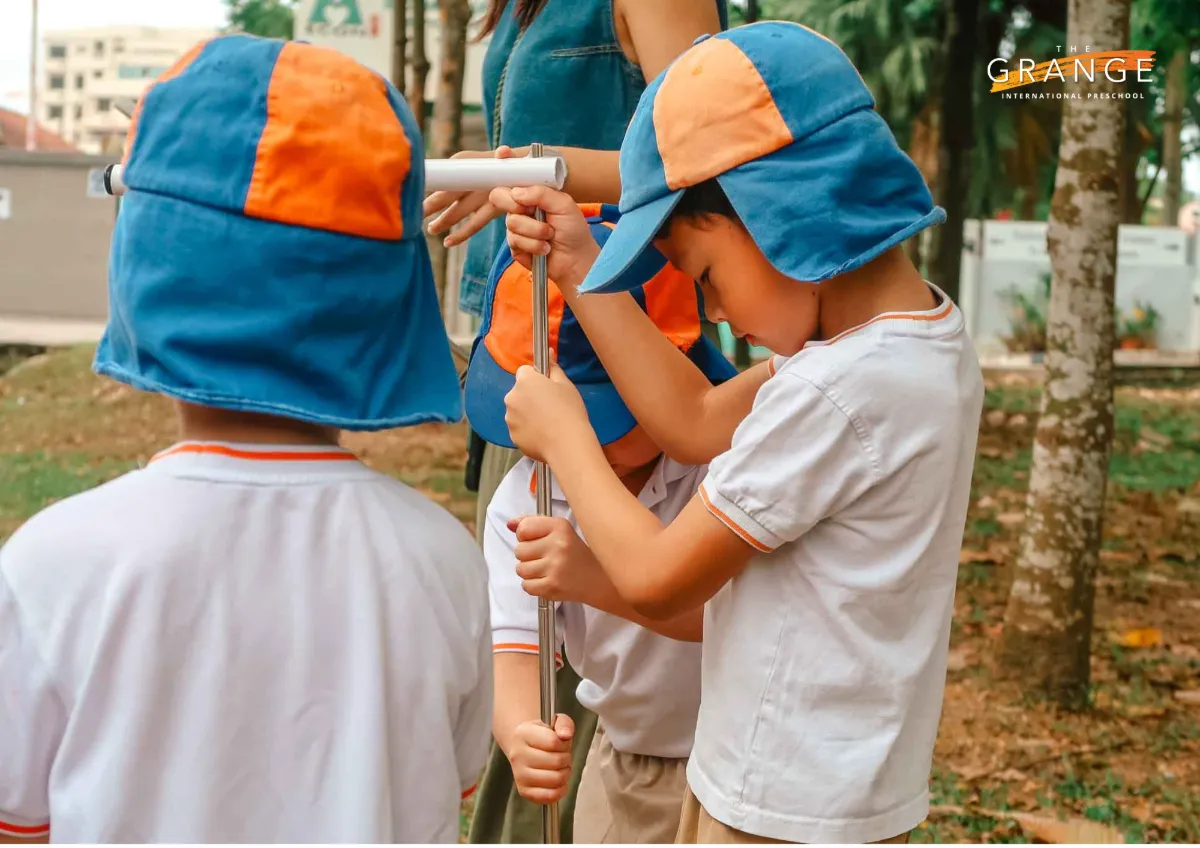
Students test their initial design, working together to explore what works.
The project became much more than making signs. It allowed children to think critically, solve real-world problems, work collaboratively, and discover setbacks often lead to even better ideas.
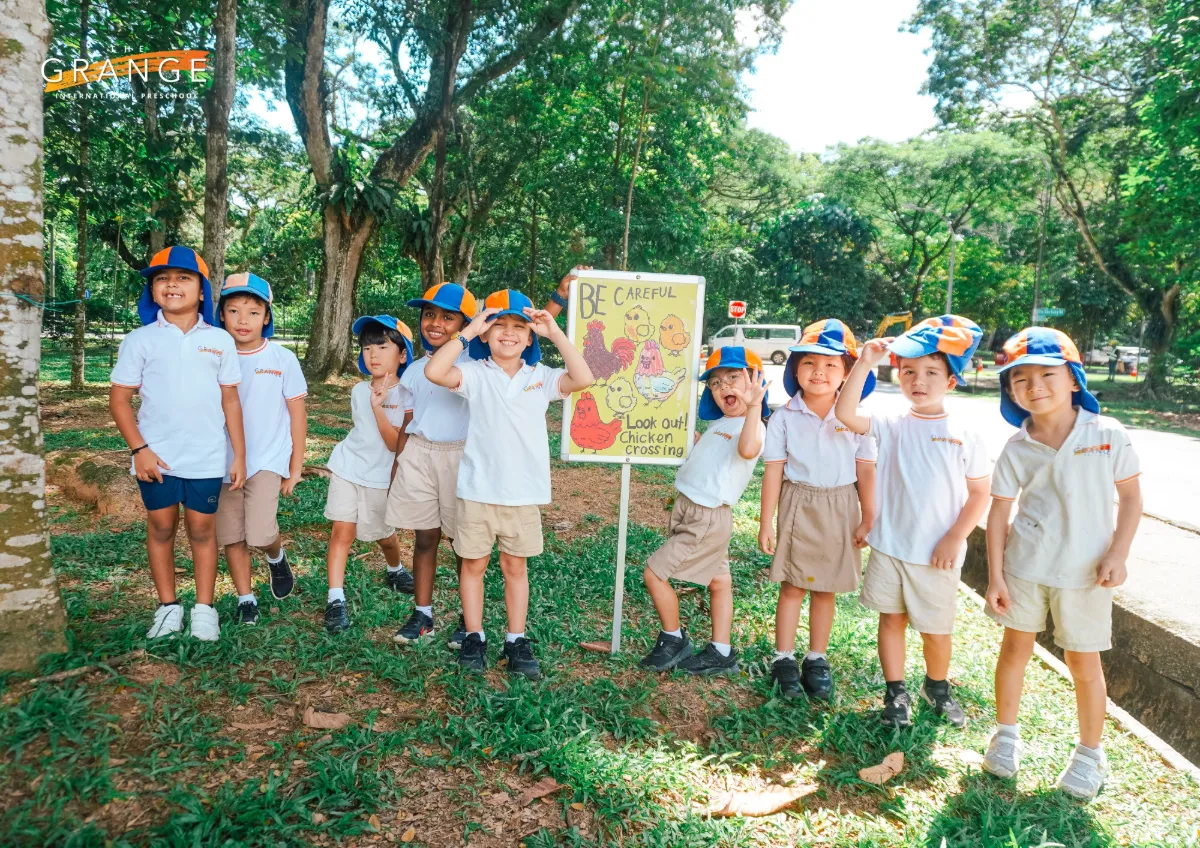
Students celebrate their newly redesigned weatherproof “Chicken Crossing” sign
Building Confidence That Lasts
A mistake-friendly classroom isn’t simply about accepting mistakes. It is about helping children develop resilience, curiosity, and the confidence to keep trying.
These are the children who volunteer an answer even when they are unsure. They attempt something new because they are curious. They learn that progress comes through practice, reflection and perseverance.
These are skills that will support them not only in school, but throughout their lives.
As you talk to your child today, consider asking a different question.
Instead of “What did you get right today?”, try asking:
“What mistake did you make today, and what did you learn from it?”
You may be surprised by the conversation that follows.